
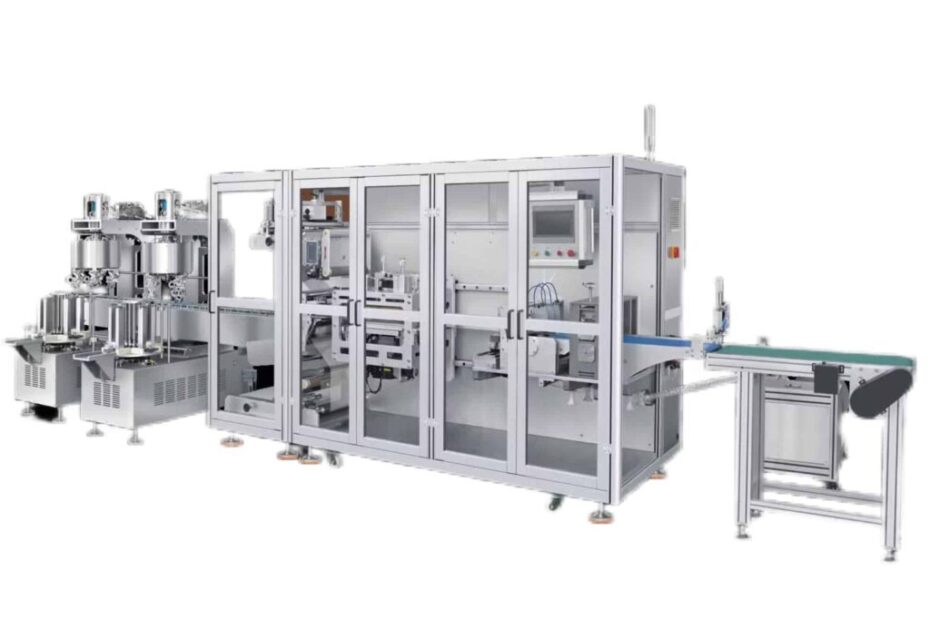
Flexible Packaging Trends 2026: 6 Shifts for Machine Buyers
Mono-material films, PPWR and EPR deadlines, Industry 4.0 connectivity, stand-up pouch growth and DTC demands: what the 2026 packaging trends mean for your next machine.
Descubra tudo o que você precisa saber sobre Máquinas de Embalagem Automáticas em Blogs.
Mono-material films, PPWR and EPR deadlines, Industry 4.0 connectivity, stand-up pouch growth and DTC demands: what the 2026 packaging trends mean for your next machine.
The preventive maintenance routine that prevents most unplanned downtime: what to check daily, weekly, monthly and quarterly on a VFFS or pouch packaging line.
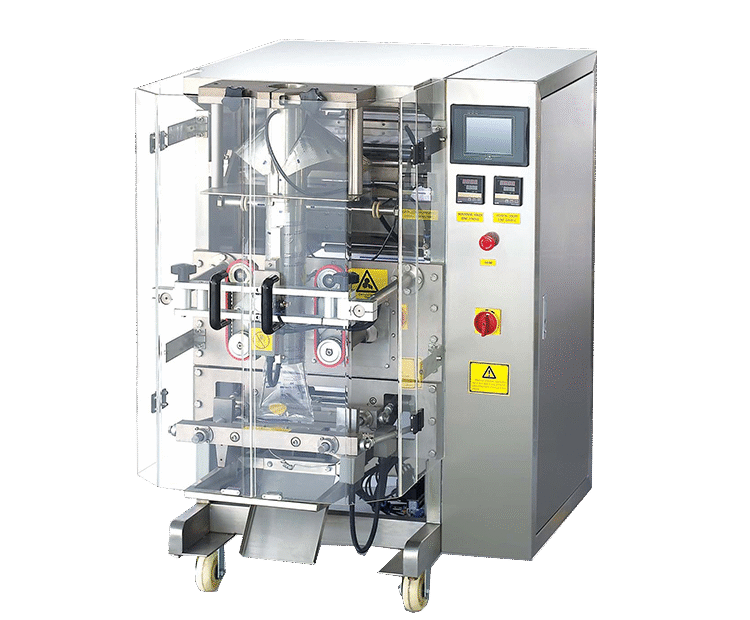
Powder is the hardest product to package. This guide covers how auger fillers work, servo vs mechanical drives, tooling by powder type, and solving dust, caking and bridging.
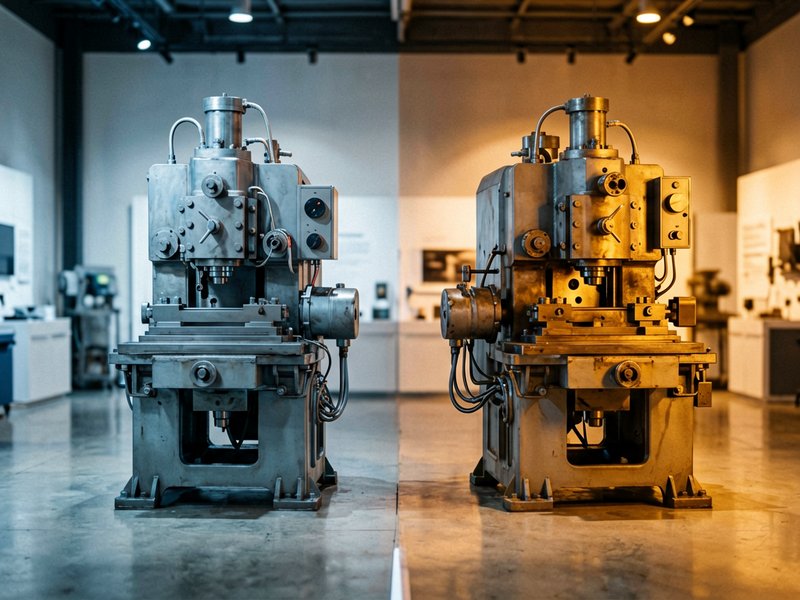
Semi-automatic or fully automatic? A practical comparison of speed, capital cost, labor savings and break-even volume, with scenarios for each automation level.
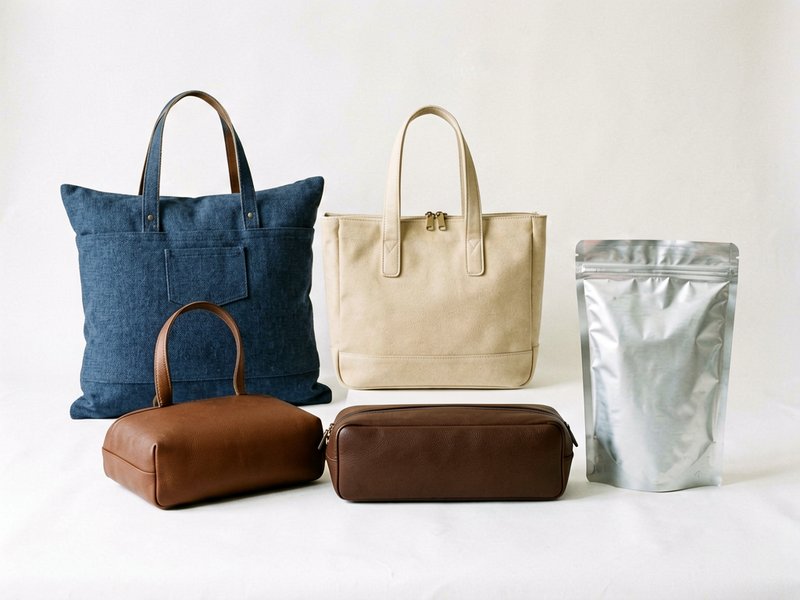
Flat bottom and quad seal bags need very different things from your packaging machine: forming collars, seal stations, film width and speed compared format by format.
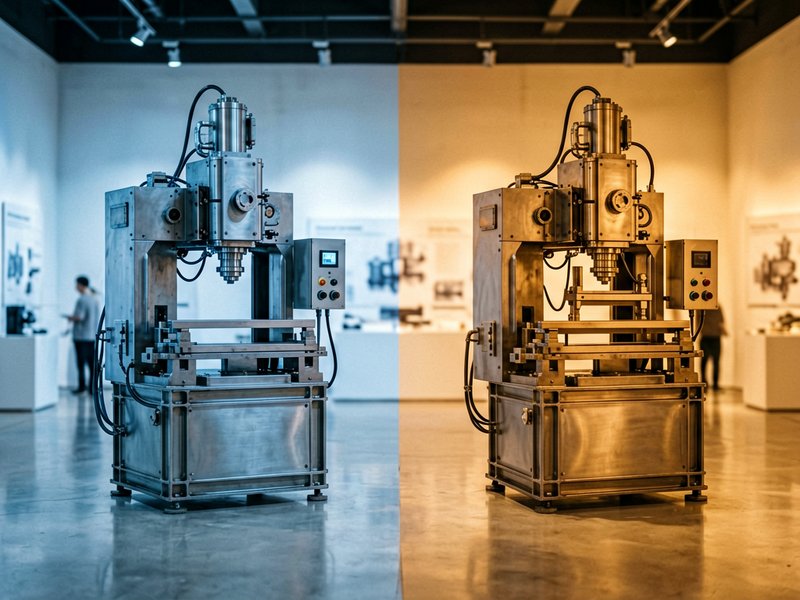
How to choose a stand-up pouch packaging machine: rotary vs linear architectures, the stations zipper, spout and valve pouches need, and the realistic speed to plan around.
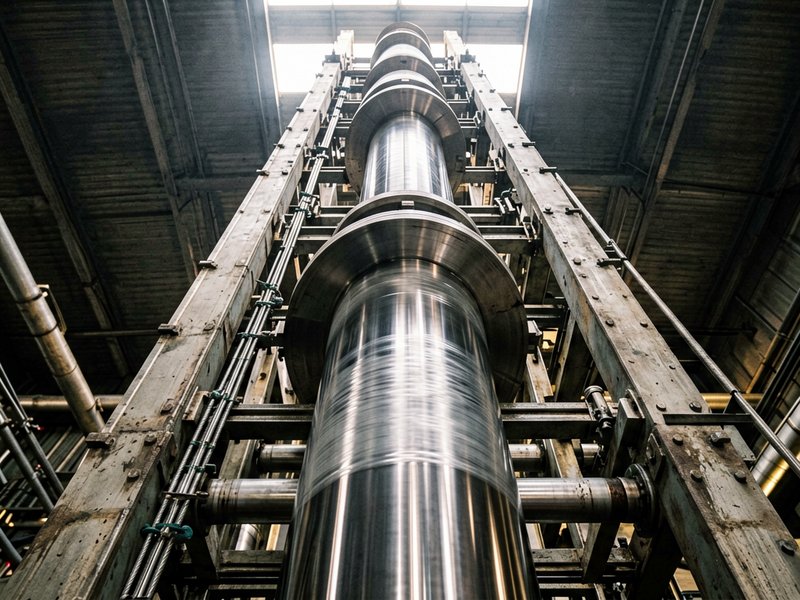
A practical comparison of the three core packaging machine types: what each format does well, what it costs, and how to match the right machine to your product and output.
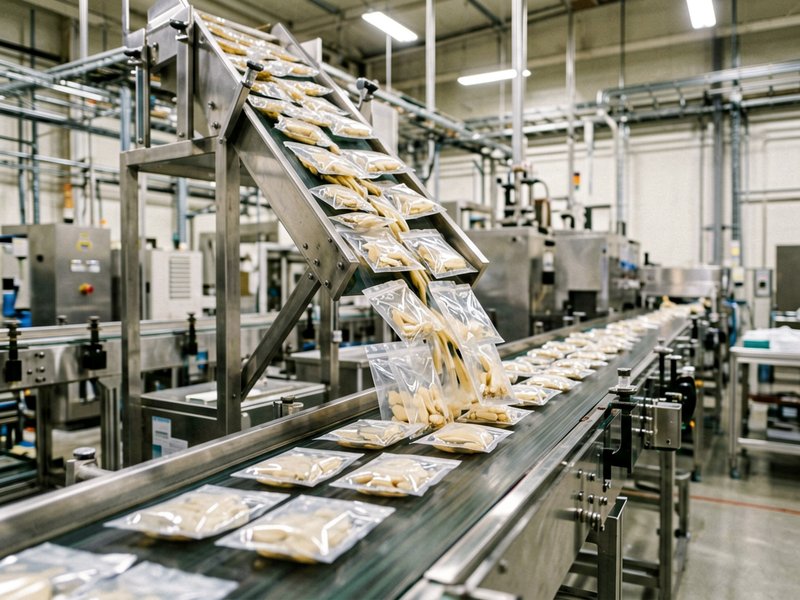
Real packaging machine cost ranges by machine type, speed tier and sourcing region, with auxiliary equipment, hidden costs and 5-year total cost of ownership compared.
A field guide to packaging machine troubleshooting: diagnose and fix bad seals, film wrinkling, bag length errors, filling faults, jams and date coding failures.
Five packaging setups that fit small producers: band sealers, semi-automatic VFFS, entry-level automatics and tabletop machines, compared by price, speed and daily output.