You’ve found a packaging machine that fits your product, your speed requirements, and your budget, except the manufacturer is 8,000 miles away in Guangdong Province, and you’ve never imported anything in your life. The quotes are in USD, the terms say “FOB Shenzhen,” the supplier wants a 30% deposit via wire transfer, and you have no idea if the factory is real, if the machine will pass customs, or if your money is about to disappear.
I’ve worked with buyers navigating this exact situation: first-time importers who need a vertical form fill seal machine or a pouch filling machine but freeze at the logistics. It’s not as complicated as it feels. But it is a process with specific steps, specific risks, and specific points where people lose money. This guide walks you through every one of those steps so you can buy a packaging machine from a Chinese manufacturer with confidence.
Key takeaways:
- Finding a legitimate Chinese packaging machine supplier requires more than Alibaba browsing: you need factory verification, business license checks, and video walkthroughs before you commit
- Trade terms (FOB, CIF, EXW) determine who pays for shipping, insurance, and risk: understanding them saves you $2,000–$8,000 per shipment
- Safe payment follows a standard structure: 30% T/T deposit with order, 70% T/T after pre-shipment inspection, or a full L/C for orders over $50,000
- Pre-shipment inspection by SGS or a third-party QC firm catches 60–70% of quality issues before your machine leaves China
- HS code 8422.30 (filling, sealing, and labeling machines) carries 0–3.8% import duty in most markets, but you need CE certification for EU import and proper documentation everywhere
- A 40ft container fits 2–4 standard packaging machines plus accessories and costs $3,500–$8,000 to ship depending on route and season
- First-time importers lose an average of $4,000–$12,000 on mistakes related to customs documentation, payment terms, and skipped inspections
Why Does Importing Feel So Complicated?
Because you’re dealing with three unfamiliar systems at once (international trade law, freight logistics, and an unfamiliar supplier) and a mistake in any one of them costs real money.
That feeling isn’t weakness. It’s a rational response to genuine complexity. When you buy a packaging machine domestically, you deal with one contract, one currency, one legal system, and one delivery truck. When you import from China, you deal with at least five separate actors: the factory, a freight forwarder, a customs broker, a shipping line, and your own bank. Each one handles a different piece of the process, and none of them talk to each other unless you make them.
Here’s what makes it feel worse than it is: most of these steps are standard. Freight forwarders handle shipping every day. Customs brokers clear machinery shipments daily. Chinese factories export packaging equipment by the container load. The process is routine for everyone involved: it just isn’t routine for you yet.
This guide breaks the entire import process into six sequential steps. Follow them in order and you’ll avoid the mistakes that cost first-time buyers thousands of dollars. Skip any of them and you’re rolling dice with a five-figure investment.
Step 1: How to Find Legitimate Chinese Manufacturers
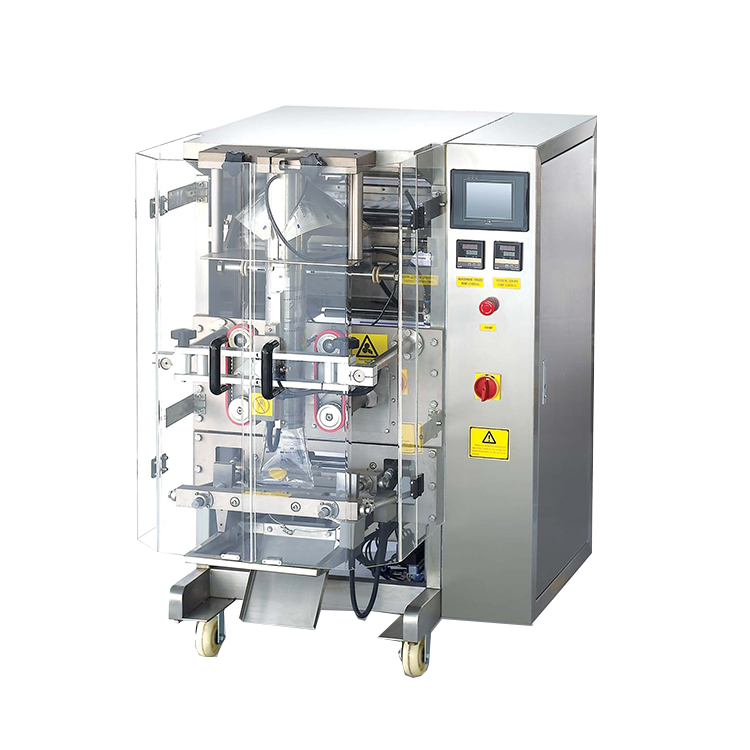
The best Chinese packaging machine suppliers aren’t always on the first page of Alibaba: they’re found through trade shows, industry directories, and referral networks, and then verified through business licenses, factory audits, and reference checks.
Let me start with where most people go wrong. They type “packaging machine” into Alibaba, sort by price, and message the first three suppliers with the lowest quotes. That’s how you end up talking to a trading company that marks up the machine 20–40%, or worse, a shell operation that exists only online.
Where to Actually Look
Trade shows. The Canton Fair (Guangzhou, April and October) and ProPak China (Shanghai, June) are the two most important events for packaging machinery. You can walk the floor, touch the machines, meet the factory owners, and compare 50+ suppliers in two days. If you’re spending over $30,000 on a machine, a $2,000 trip to a trade show pays for itself in better pricing and avoided mistakes.
Industry-specific directories. Made-in-China.com and GlobalSources.com tend to have more factory-direct listings than Alibaba, which is saturated with trading companies. Look for suppliers with “manufacturer” verification badges, not “trading company” tags.
Referral from your network. Ask other packaging machinery buyers in your industry. A recommendation from someone who’s already imported from a factory is worth more than any online review.
How to Spot a Trading Company vs. a Real Factory
Trading companies aren’t scammers: they’re middlemen. But they add cost and reduce your ability to customize the machine or get direct technical support. Here’s how to tell the difference.
| Signal | Trading Company | Real Factory |
|---|---|---|
| Product range | 10+ unrelated machine types | 2–5 related machine families |
| Business license | Registered as “trading” or “import/export” | Registered as “manufacturer” with production scope |
| Factory photos | Generic shots, no workers in uniform, different locations | Consistent branding, workers in company uniforms, same building |
| Response time | Instant replies 24/7 (multiple salespeople covering shifts) | Replies within business hours, technical questions take longer |
| Customization | Reluctant to modify specs, pushes catalog models | Asks detailed questions about your product and offers engineering solutions |
| Price | Often the lowest quote (they shop multiple factories) | Mid-range but stable across conversations |
What to Ask in Your First Message
Don’t send a generic “send me price” inquiry. A serious factory responds to serious buyers. Include these specifics:
- Your product type and weight per package
- Your target speed in bags per minute
- Your bag format (pillow bag, stand-up pouch, flat bottom, etc.)
- Your film structure (if you know it)
- Ask for: technical specification sheet, FOB price, lead time, and warranty terms
A real manufacturer sends back a spec sheet within 24–48 hours with follow-up questions about your application. A trading company sends back a generic PDF catalog and a rock-bottom price.
Step 2: Verifying Factory Quality Before You Pay
Before you send any money, verify the factory through their business license, a video factory tour, third-party audit reports, and customer references in your region. This takes 3–5 days and prevents 80% of import disasters.
I’ve seen buyers skip this step because the supplier seemed professional, the website looked polished, and the salesperson was responsive. Then the machine arrives with welded joints where there should be machined fittings, a PLC from a brand nobody recognizes, and seal quality that doesn’t match the samples they were shown.
The Four-Layer Verification Process
Layer 1: Business license check. Every Chinese manufacturer has a registered business license with the local Administration for Market Regulation. Ask the supplier for their license number and company name in Chinese. Verify it through the National Enterprise Credit Information Publicity System (gsxt.gov.cn). Check that their registered scope includes “manufacturing” or “production” of packaging machinery, not just trading.
Layer 2: Video factory tour. Schedule a live video call and ask to see the production floor, the assembly area, and the testing area. You’re not looking for a spotless showroom: you’re looking for machines in various stages of assembly, workers operating CNC equipment or bending sheet metal, and your specific machine type being built or tested. If they can only show you an office and a finished product display room, that’s a red flag.
Layer 3: Third-party audit. For orders over $20,000, commission a factory audit through SGS, TUV, or a China-based inspection company like QIMA or Sofeast. A basic factory audit costs $300–$600 and covers production capacity, quality management systems, workforce size, and facility conditions. This is cheap insurance on a five-figure purchase.
Layer 4: Customer references. Ask for 2–3 customers in your country or region who have bought the same machine model. Call them. Ask about delivery timeline, machine performance after 6 months, spare parts availability, and whether the supplier responded to warranty claims.
Certifications to Look For
A legitimate packaging machine manufacturer exporting to international markets should hold some combination of:
- CE certification: required for sale in the European Economic Area. The CE mark on a packaging machine means it meets EU safety, health, and environmental protection standards. If you’re importing into the EU, this isn’t optional.
- ISO 9001: quality management system certification. It doesn’t guarantee machine quality, but it means the factory has documented processes for production, inspection, and corrective action.
- SGS type inspection report: some factories commission SGS to perform a type test on their machine, documenting performance, safety, and construction quality against a defined standard.
Be wary of suppliers who claim certifications but can’t produce the actual certificate documents with matching company names and valid dates.
Step 3: Negotiating Price and Trade Terms (FOB, CIF, EXW)
Your quoted price means nothing until you know the trade term: FOB, CIF, and EXW assign completely different costs and risks to buyer and seller, and choosing the wrong one adds 15–25% to your total landed cost.
This is where first-time importers consistently lose money. They compare two quotes (one at $28,000 and one at $32,000) and pick the lower number without noticing that the $28,000 quote is EXW (you pay everything from the factory gate forward) and the $32,000 quote is CIF (seller pays shipping and insurance to your port). The “cheaper” quote actually costs more.
The Three Trade Terms You Need to Understand
EXW (Ex Works). The seller makes the machine available at their factory. You arrange and pay for everything else: pickup from the factory, trucking to the port, export customs clearance, ocean freight, import customs clearance, and delivery to your facility. EXW gives you maximum control over logistics and freight costs, but it requires you to have a freight forwarder who knows what they’re doing.
FOB (Free On Board). The seller is responsible for getting the machine to the nearest port and loading it onto the ship. From that point forward, you own the risk and pay for ocean freight, insurance, import clearance, and inland delivery to your facility. FOB is the most common trade term for machinery imports and the one I recommend for most buyers. It splits responsibility cleanly: the factory handles everything in China, you handle everything from the destination port.
CIF (Cost, Insurance, Freight). The seller pays for shipping and insurance to your destination port. Sounds convenient, but here’s the catch: the seller chooses the shipping line and the insurance provider. They often use the cheapest option, which means slow transit times, limited tracking, and insurance that undercovers your shipment. CIF looks like a simpler option but often costs you more in hidden ways.
Which Trade Term Should You Choose?
For most first-time machinery importers, FOB is the right choice. Here’s why:
- The factory handles export procedures in China (they know the local system)
- You choose and control the freight forwarder (so you get competitive shipping rates and real-time tracking)
- Insurance is arranged on your terms, not the seller’s
- The cost split is transparent: factory price is the factory price, shipping is shipping
Price Negotiation Strategy
Chinese packaging machinery has a typical markup structure that leaves room for negotiation. Here’s what the pricing looks like from the factory’s perspective:
| Cost Component | Typical Share of Quoted Price |
|---|---|
| Raw materials and components | 45–55% |
| Labor and factory overhead | 15–20% |
| Sales commission (for trading companies) | 5–15% |
| Profit margin | 10–20% |
You can’t negotiate down the material costs, but you can compress the profit margin and eliminate the trading company markup. A reasonable negotiation target is 8–15% off the initial quote, depending on order size and how directly you’re dealing with the factory.
Negotiate on FOB price specifically. Don’t let the seller bundle shipping into the price, it obscures the real machine cost and makes comparison impossible. Get the FOB price, then get a separate freight quote from your own forwarder.
Step 4: Safe Payment Methods
The standard safe payment structure for packaging machinery imports is 30% deposit with order confirmation and 70% balance after pre-shipment inspection, using T/T (telegraphic transfer) for orders under $50,000 and L/C (letter of credit) for larger orders.
I need to be direct about this: sending money to a supplier you’ve never met in a country you’ve never visited feels risky because it is risky. But the payment structure I’m about to describe has been refined over decades of international trade, and it protects both sides when used correctly.
T/T (Telegraphic Transfer / Wire Transfer)
T/T is the most common payment method for machinery imports. Here’s how the standard structure works:
- 30% deposit: You wire 30% of the total FOB price after signing the proforma invoice. The factory uses this to purchase materials and begin production.
- Production and inspection: The factory builds the machine (typically 30–60 days). Before shipment, you or your inspection agent verifies the machine.
- 70% balance: After the machine passes inspection, you wire the remaining 70%. The factory ships the machine upon receiving the balance payment.
Risk management: That 30% deposit is your maximum exposure if the factory fails to deliver. It’s real money, and you should only send it after completing the verification steps from Step 2. For added protection, request a video call during the production process to see your machine being built.
L/C (Letter of Credit)
For orders over $50,000, consider a letter of credit. An L/C is a guarantee from your bank to the supplier’s bank: you’ll pay the full amount when the supplier presents documents proving they’ve shipped the machine according to the agreed terms.
The L/C protects you because the supplier only gets paid when they provide:
- A commercial invoice matching the L/C amount
- A bill of lading proving the machine was shipped
- A packing list describing what was shipped
- A certificate of origin
- An inspection certificate (if you specified one as an L/C condition)
L/Cs cost $200–$500 in bank fees but provide the strongest payment protection available in international trade.
Payment Methods to Avoid
- Western Union or MoneyGram. No buyer protection, no recourse if the supplier disappears. Legitimate manufacturers don’t ask for these.
- 100% upfront payment. No legitimate factory requires full payment before production. If they insist, walk away.
- Payment to a personal account. The beneficiary name on the wire transfer should match the company name on the proforma invoice. If the bank details show a personal name, that’s a warning sign.
Step 5: Quality Control and Pre-Shipment Inspection
A pre-shipment inspection (PSI) costs $200–$500 and catches the majority of quality issues before your machine leaves China: skipping it to save that amount is the most expensive decision you can make.
Here’s what happens when buyers skip the inspection. The machine arrives. You uncrate it. The sealing temperature is inconsistent across the jaw. The film tracking drifts after 20 minutes of running. The PLC interface is in Chinese only, even though you requested English. The auger filler underdoses by 8% on your product. And now you’re trying to resolve these issues across a 12-hour time difference with a supplier who already has your money.
A pre-shipment inspection prevents most of these problems. It happens at the factory, after the machine is fully assembled and before shipment, and it gives you an advantage: because the factory hasn’t received the 70% balance payment yet.
What a Proper PSI Covers
Visual and dimensional inspection. The inspector checks the machine against the agreed specification sheet: dimensions, materials (stainless steel grade, painted vs. powder-coated finish), component brands (PLC, servo motors, pneumatic cylinders), and overall build quality.
Functional testing. The machine runs with your actual product or a close equivalent. The inspector documents running speed, seal quality, fill accuracy, and any operational issues over a minimum 2-hour continuous test.
Safety and compliance check. The inspector verifies emergency stop buttons, safety guards, electrical grounding, CE markings (if applicable), and compliance with any specific standards you’ve specified.
Documentation review. The inspector confirms that the operation manual, electrical diagrams, spare parts list, and maintenance schedule are included and in the agreed language.
How to Arrange an Inspection
SGS inspection. SGS is the world’s largest inspection company with offices throughout China. A standard pre-shipment inspection for packaging machinery costs $300–$500 depending on location and complexity. Book through sgsgroup.com or ask your freight forwarder to arrange it.
Independent QC firms. Companies like QIMA, Sofeast, and V-Trust offer pre-shipment inspections at $200–$400 per day. They send a local engineer to the factory with your checklist and send you a photo-documented report within 24 hours.
Your own agent. If you’re buying multiple machines or establishing a long-term supply relationship, hiring a part-time sourcing agent based in China costs $500–$1,500 per month and covers factory visits, inspections, and ongoing quality control.
What to Do If the Inspection Fails
This is the moment your inspection investment pays for itself. If the PSI report shows issues, you have options:
- Require the factory to fix the problems before you release the 70% balance payment. Most legitimate factories will correct issues within 5–10 working days.
- Negotiate a price reduction if the issues are cosmetic or minor and you’re willing to accept the machine as-is.
- Cancel the order and request a refund of your 30% deposit if the issues are fundamental (wrong machine, safety hazards, completely non-functional). This is harder and depends on your contract terms, which is why your proforma invoice should always include an inspection clause and cancellation terms.
Step 6: Shipping, Customs, and Import Duties
Shipping a packaging machine from China to most destinations costs $3,500–$8,000 in a 40ft container, with import duties of 0–3.8% under HS code 8422.30: but customs clearance paperwork errors and missing documentation are where delays and surprise costs actually happen.
Your machine is built. It passed inspection. Now it needs to physically get from the factory floor in China to your production floor. This step involves more parties than any other: and more places where paperwork problems create costly delays.
Ocean Freight: Container Options
Most packaging machines ship by sea. Here’s what that looks like:
20ft container (20’GP). Fits one medium-size packaging machine (like a single-lane VFFS or a basic pouch machine) plus spare parts and accessories. Internal dimensions: 5.9m x 2.35m x 2.39m. Payload capacity: approximately 21,000 kg. Cost: $2,500–$5,500 depending on route and season.
40ft container (40’GP). The standard choice for most machinery imports. Fits 2–4 standard packaging machines, or one large system (like a multi-head weigher line) with all auxiliaries. Internal dimensions: 12.03m x 2.35m x 2.39m. Payload capacity: approximately 26,000 kg. Cost: $3,500–$8,000 depending on route and season.
40ft high-cube container (40’HC). Same footprint as a standard 40ft but 30cm taller (2.69m internal height). Essential if your packaging machine has a tall frame: some rotary pouch machines and multi-lane stick pack systems exceed the standard container height. Cost: $500–$1,500 more than standard 40ft.
LCL (Less than Container Load). If you’re shipping a single small machine, you can share container space with other cargo. LCL costs $80–$150 per cubic meter but carries higher risk of damage due to multiple handling events. I recommend full container load (FCL) for packaging machinery whenever possible.
Shipping Routes and Transit Times
| Origin Port | Destination | Transit Time | Approx. Cost (40ft FCL) |
|---|---|---|---|
| Shenzhen / Guangzhou | Los Angeles / Long Beach | 14–18 days | $3,500–$5,500 |
| Shanghai / Ningbo | Rotterdam | 28–35 days | $4,000–$6,500 |
| Qingdao | Sydney | 12–16 days | $3,000–$4,500 |
| Shenzhen / Guangzhou | Felixstowe (UK) | 30–38 days | $4,500–$7,000 |
| Shanghai / Ningbo | Jebel Ali (Dubai) | 18–22 days | $2,500–$4,000 |
Transit times are port-to-port and don’t include customs clearance, which adds 3–10 days depending on your country and the completeness of your documentation.
HS Code and Import Duties
Packaging machinery classified under HS code 8422.30 (other filling, sealing, and labeling machines) attracts relatively low import duties in most major markets:
| Market | HS Code | Import Duty (Most Favored Nation) | Notes |
|---|---|---|---|
| United States | 8422.30 | 0–2.5% | Varies by specific machine type; check HTSUS |
| European Union | 8422.30 | 2.7% | Requires CE certification and EU declaration of conformity |
| United Kingdom | 8422.30 | 2.7% | Post-Brexit UK Global Tariff |
| Australia | 8422.30 | 0–5% | Check with Department of Home Affairs |
| Canada | 8422.30 | 0–3% | Check CBSA tariff schedule |
These duty rates are for general guidance. Always verify the exact rate for your specific machine configuration with your customs broker. Some machine configurations may fall under slightly different HS subheadings.
Customs Documentation Checklist
Your shipment needs these documents to clear customs. Missing or incorrect paperwork is the #1 cause of delays and additional charges at the port.
- Commercial invoice: value, currency, trade terms (FOB/CIF), buyer and seller details
- Packing list: weight, dimensions, contents of each package
- Bill of lading (B/L): issued by the shipping line, proves the cargo is on board
- Certificate of origin: issued by the CCPIT or local chamber of commerce in China, proves the goods were manufactured in China (may qualify you for preferential duty rates under free trade agreements)
- CE certificate (for EU import): the machine’s CE certification document
- Import license or permit: some countries require specific permits for machinery imports
Your freight forwarder and customs broker should coordinate this documentation, but you need to make sure the factory provides all China-side documents on time. Build document delivery into your contract: specify that the 70% balance payment is contingent on receiving complete shipping documents.
Using a Freight Forwarder
I strongly recommend hiring a freight forwarder for your first machinery import. A good forwarder handles:
- Booking container space on a shipping line
- Coordinating pickup from the factory and delivery to the port
- Export customs clearance in China
- Ocean freight booking and tracking
- Import customs clearance at your destination
- Inland delivery from the port to your facility
Cost: $500–$1,500 in forwarder fees on top of the actual shipping cost. Worth every penny for a first-time import.
What Mistakes Do First-Time Importers Always Make?
The five mistakes that cost first-time importers the most money are: skipping the pre-shipment inspection, not understanding trade terms, paying 100% upfront, underestimating customs documentation, and not budgeting for installation and commissioning.
I’ve seen these patterns repeat across dozens of import transactions. Here they are, ranked by financial impact, so you know exactly what to avoid.
Mistake 1: Skipping Pre-Shipment Inspection
Cost impact: $2,000–$15,000+
The inspection costs $300. Shipping a defective machine back to China costs $7,000+. Running a machine with hidden defects costs you in product waste, downtime, and repair expenses for months. I said it earlier and I’ll say it again: the pre-shipment inspection is the highest-return investment in the entire import process. Never skip it.
Mistake 2: Not Understanding the Trade Term
Cost impact: $1,500–$5,000
You compare two quotes without checking whether one is EXW and the other is CIF. You pick the lower number. The actual landed cost turns out to be higher because you didn’t account for the inland trucking, port fees, and insurance that EXW requires you to arrange. Always compare quotes on the same trade term basis: FOB to FOB.
Mistake 3: Paying 100% Upfront
Cost impact: Total order value (worst case)
Some suppliers offer a “discount” for full upfront payment. It’s not worth the risk. The 30/70 payment structure exists because it gives both sides an incentive to perform: the factory wants your 70% balance, and you hold that advantage until the machine passes inspection. Once you’ve paid 100%, your advantage is gone.
Mistake 4: Underestimating Customs Paperwork
Cost impact: $500–$3,000 in storage and demurrage fees
Your machine arrives at the port. Customs requests a certificate of origin that the factory didn’t provide. The shipping line charges you $150–$300 per day in container demurrage while you wait for the document. Three weeks later, you’ve paid $3,000 in storage fees for a piece of paper that should have been included with the shipment. Specify documentation requirements in your purchase contract and confirm the factory will provide them before the vessel sails.
Mistake 5: Not Budgeting for Installation and Commissioning
Cost impact: $2,000–$8,000
The machine clears customs. It’s sitting on your floor in a crate. Now what? You need to uncrate it, position it, connect electrical and pneumatic supplies, load the film, set the parameters, test the seals, and dial in the fill weights. This is installation and commissioning, and it takes 2–5 days for a standard packaging machine.
Some suppliers include remote commissioning support via video call. Others send a technician: you pay for the technician’s time, flights, and accommodation. Budget $2,000–$5,000 for remote commissioning support or $5,000–$8,000 for an on-site technician from the factory.
FAQ
Can I import a packaging machine from China without an import agent?
Yes, you can. There’s no legal requirement to use an import agent or sourcing company. However, for your first import, I recommend working with a freight forwarder who handles customs clearance and a third-party inspector for pre-shipment quality control. These two partners cover the most complex and highest-risk parts of the process. Once you’ve completed one or two imports and understand the documentation, routing, and customs procedures, you can handle subsequent imports more independently.
How long does it take to import a packaging machine from China?
From order to delivery, plan for 60–90 days total. Production takes 30–45 working days depending on the machine type and customization level. Pre-shipment inspection adds 3–5 days. Ocean freight takes 12–38 days depending on your destination. Customs clearance adds 3–10 days. Inland delivery to your facility adds 1–5 days. If you need a machine urgently, some suppliers stock standard models and can ship within 7–10 days, but you’ll pay a premium and have fewer customization options.
What is the minimum order quantity for importing packaging machines from China?
Most Chinese packaging machine manufacturers have no minimum order quantity: you can buy a single machine. This isn’t consumer electronics or textiles where MOQs are standard. Packaging machinery is capital equipment, and factories are set up to sell one unit at a time. You will, however, get better pricing on quantities of 2+ units, and shipping is more economical when you fill a container rather than shipping LCL.
Do I need CE certification to import a packaging machine?
It depends on your destination market. If you’re importing into the European Economic Area (EU plus Norway, Iceland, Liechtenstein), CE certification is legally required. The machine must bear the CE mark and be accompanied by a declaration of conformity and technical documentation. For the US, CE certification isn’t required, but the machine must comply with OSHA safety standards and NFPA electrical codes. For Australia, the machine needs to comply with AS/NZS safety standards. Ask the factory upfront which certifications their machines carry, and get copies of the actual certificates before you order.
How much does it cost to ship a packaging machine from China?
Ocean freight for a 40ft container from Shenzhen or Shanghai to the US West Coast costs $3,500–$5,500. To Northern Europe, expect $4,000–$6,500. To Australia, $3,000–$4,500. These are port-to-port rates that fluctuate with the shipping market. On top of that, budget $500–$1,500 for your freight forwarder’s service fees, $300–$800 for customs brokerage, and $500–$2,000 for inland trucking from the destination port to your facility. Total door-to-door shipping cost for a typical packaging machine import: $5,000–$10,000.
What happens if the machine arrives damaged or defective?
Your recourse depends on how you structured the transaction. If you had a pre-shipment inspection and the machine was confirmed good before shipping but arrived damaged, the claim goes through your marine insurance (you did buy marine cargo insurance, right? (it costs 0.3–0.5% of the cargo value). If the machine has defects that should have been caught at inspection, contact the inspection company about their liability. If the defects are manufacturing issues that weren’t visible at inspection (like a PLC that fails after 100 hours of operation), your recourse is the factory warranty) which is another reason to buy from a manufacturer with a track record and customer references in your region. Document everything with photos and video from the moment you open the crate.
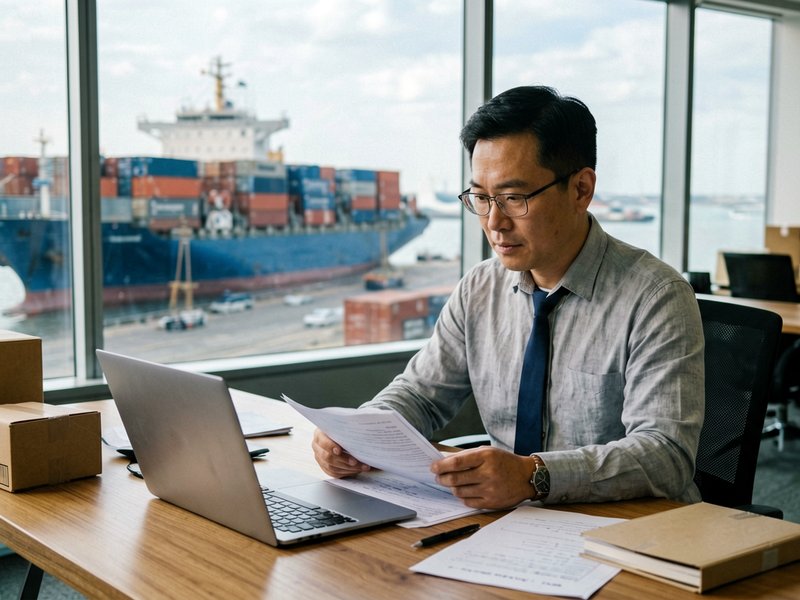
Ready to Import Your Packaging Machine?
Importing packaging machinery from China isn’t simple, but it follows a predictable process. Find a verified manufacturer. Inspect before you pay the balance. Use FOB terms with a trusted freight forwarder. Budget for the full landed cost: not just the machine price. And never, ever skip the pre-shipment inspection.
If you want to skip the learning curve, we can help. We handle CE certification, FOB shipping, and full documentation. Ask us for a quote with complete import support: we’ll walk you through trade terms, arrange inspection, and make sure your machine arrives ready to run. Contact us to get started.
Whether you need a vertical form fill seal machine for high-speed pillow bag production or a pouch filling machine for stand-up pouches with zippers, we’ll source it, inspect it, and handle the import logistics from the factory floor to your production floor.